For many people across the UK, hay fever is more than just a mild seasonal nuisance. It can mean weeks of sneezing, itchy eyes and disrupted sleep. While tree and weed pollens contribute to early and late season symptoms, it is grass pollen that causes the majority of sufferers. In fact, around 95% of hay fever sufferers are affected by grass pollen, making it the most significant trigger during the allergy season. Understanding why can help you better manage the season and reduce its impact.
When is Peak Grass Pollen Season in the UK?
In the UK, peak grass pollen season typically runs from the end of May through to the end of July. During this period, pollen counts are often at their highest, especially on warm, dry and breezy days. This is when most hay fever sufferers experience their worst symptoms.
The Structure of Grass Pollen
Grass pollen is particularly problematic because of its structure. Each grain is incredibly small and lightweight, designed by nature to travel easily through the air. These microscopic particles contain proteins that trigger an allergic response in sensitive individuals. When inhaled, the immune system mistakenly identifies these proteins as harmful, releasing histamine and causing symptoms such as sneezing, nasal congestion and itchy eyes.
Because the grains are so tiny, they can be inhaled deeply into the nasal passages and even reach the lower airways, making symptoms feel more intense and persistent.
Why Grass Pollen Spreads So Easily
One of the main reasons grass pollen affects so many people is how easily it spreads. Grasses rely on wind pollination rather than insects, meaning they produce vast quantities of pollen to increase their chances of reproduction. This pollen is then carried over long distances by the wind.
In the UK, grass is widespread, found in gardens, parks, fields and along roadsides. With so many sources releasing pollen at once, it creates consistently high levels in the air during peak season. Weather conditions also play a major role. Warm temperatures encourage pollen release, while light winds help it travel further. Even in urban areas, pollen can be carried in from the countryside, affecting those who may not be directly surrounded by grass.
Another factor is timing. Grass pollen season overlaps with a time of year when people naturally spend more time outdoors, increasing exposure and making symptoms more noticeable.
The Histamine Response
When pollen is inhaled by a hay fever sufferer, the immune system mistakenly identifies it as a threat and releases histamine as part of its defence. This histamine response is what causes sneezing, itching, congestion and watery eyes. By preventing pollen from entering the body, the immune system is less likely to react, helping to minimise or even prevent symptoms before they begin.
Natural Ways to Reduce Exposure
While it is impossible to avoid pollen completely, there are several natural ways to reduce your exposure and manage symptoms more effectively.
Keeping windows closed during high pollen days, particularly in the early morning and evening when counts are highest, can help limit the amount entering your home. Showering and changing clothes after spending time outdoors removes pollen from your skin and hair, preventing it from spreading indoors.
Checking daily pollen forecasts allows you to plan activities when counts are lower, and avoiding cutting grass or being near freshly cut lawns can make a noticeable difference.
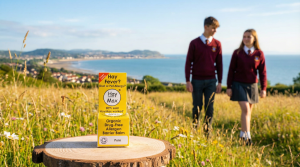
Wearing sunglasses outdoors can help protect your eyes, and wearing a hat outdoors can help prevent pollen getting trapped in your hair. And of course applying our natural allergen barrier balm around your nose and eye sockets can trap pollen and prevent it from entering your body.